ORDER / MODEL REVIEW
Product, application and confirmed order requirements define the inspection route.
For B2B automotive lighting buyers, quality control is not a slogan. It is a sequence of model review, functional verification, aging or testing, final inspection and order release.
Acceptance criteria and certification details stay tied to the actual model, market and confirmed requirement.
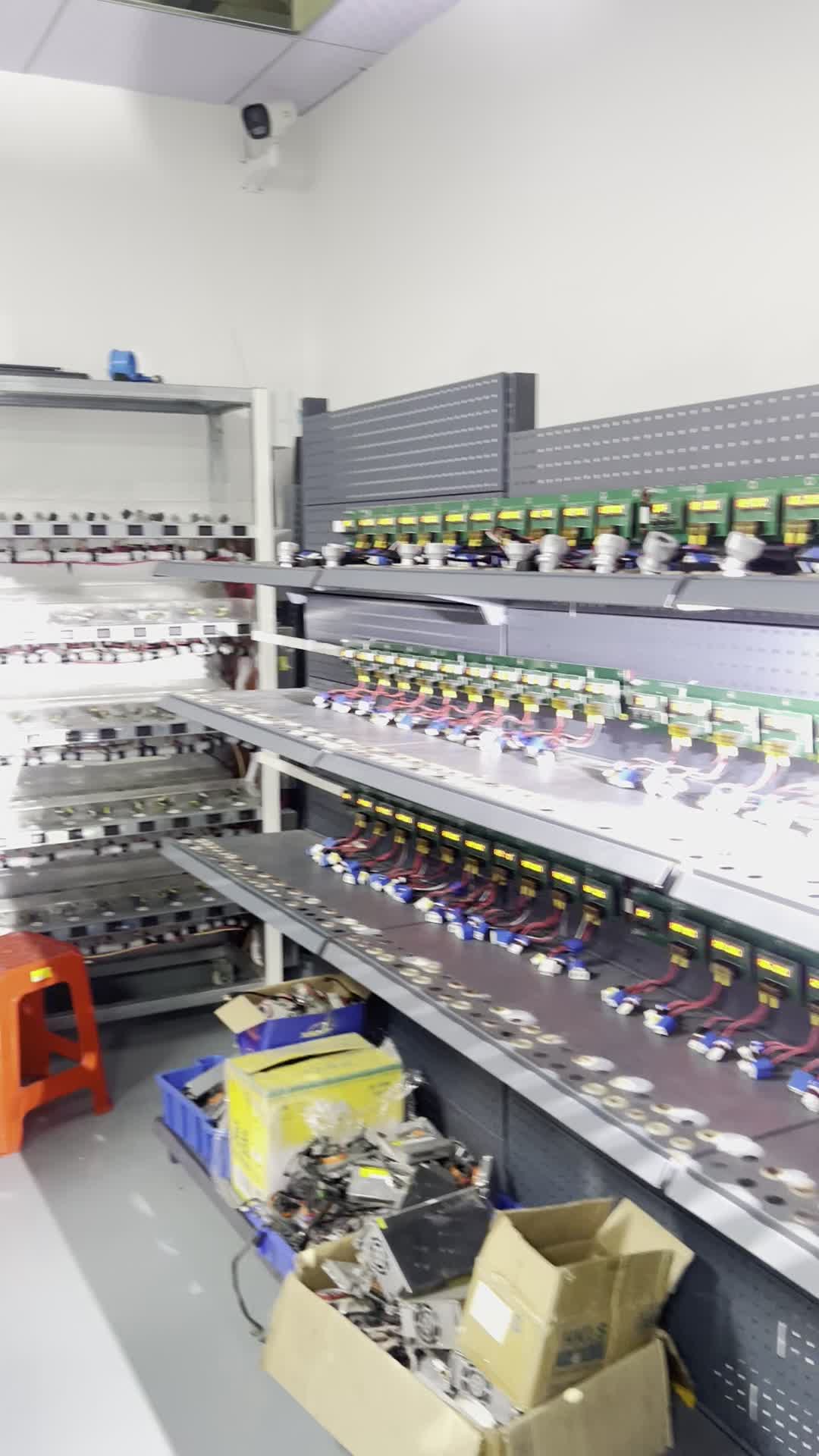
Testing evidence matters when it is connected to the product and order being sourced.
The exact inspection route varies by product and order. These checkpoints describe the control logic without inventing unsupported test limits or acceptance claims.
Product, application and confirmed order requirements define the inspection route.
Applicable components, housings, drivers and LEDs are checked before production handling.
Electrical operation and lighting function are verified at the relevant production stage.
Applicable products move through aging or performance verification before release.
Product condition, function, specification and order requirements are reviewed before packing.
Quantity, label, packaging and shipment preparation are checked against the confirmed order.
Real production and testing context helps a buyer understand where verification happens — without replacing model-specific specifications or agreed inspection criteria.
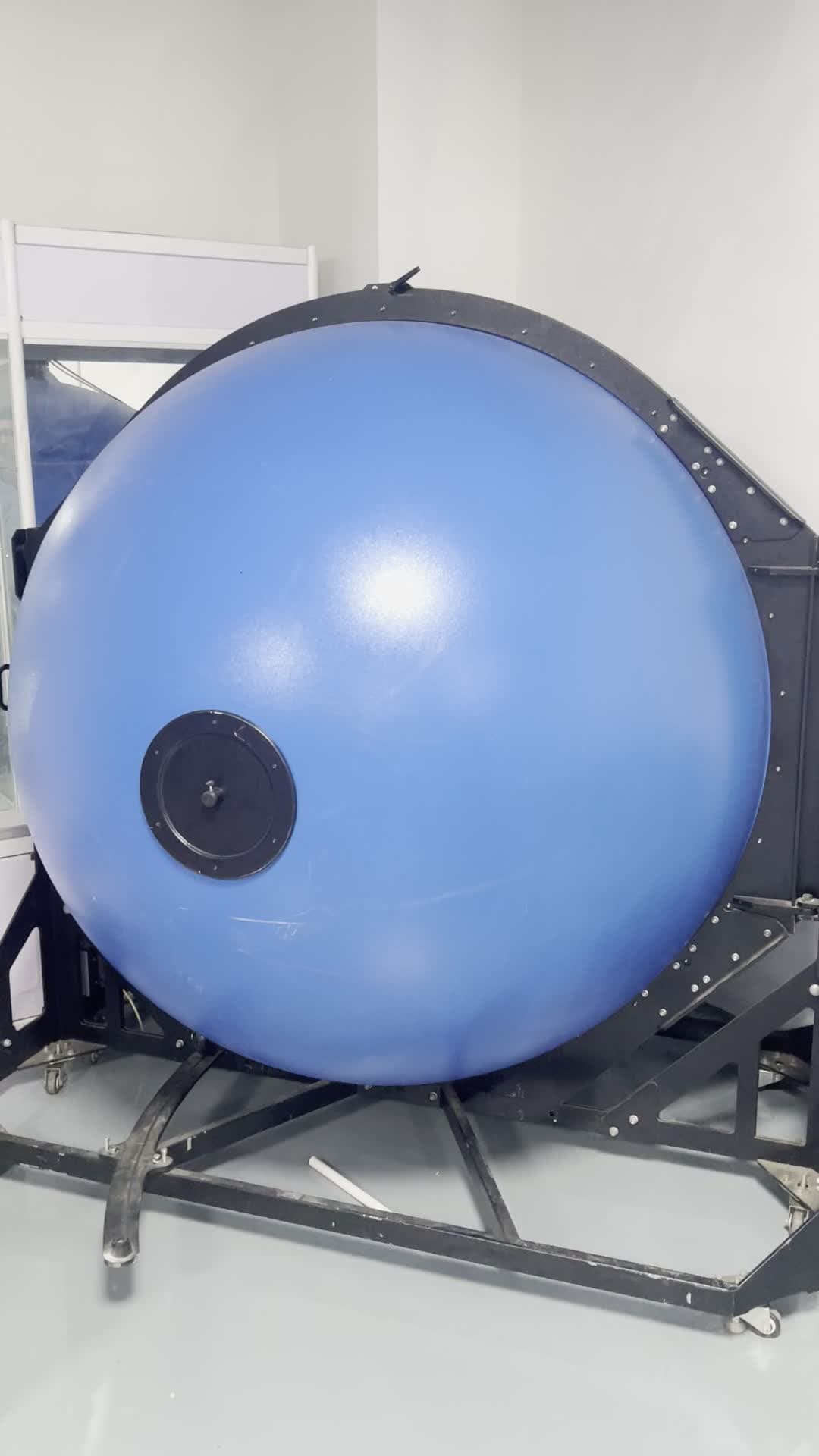
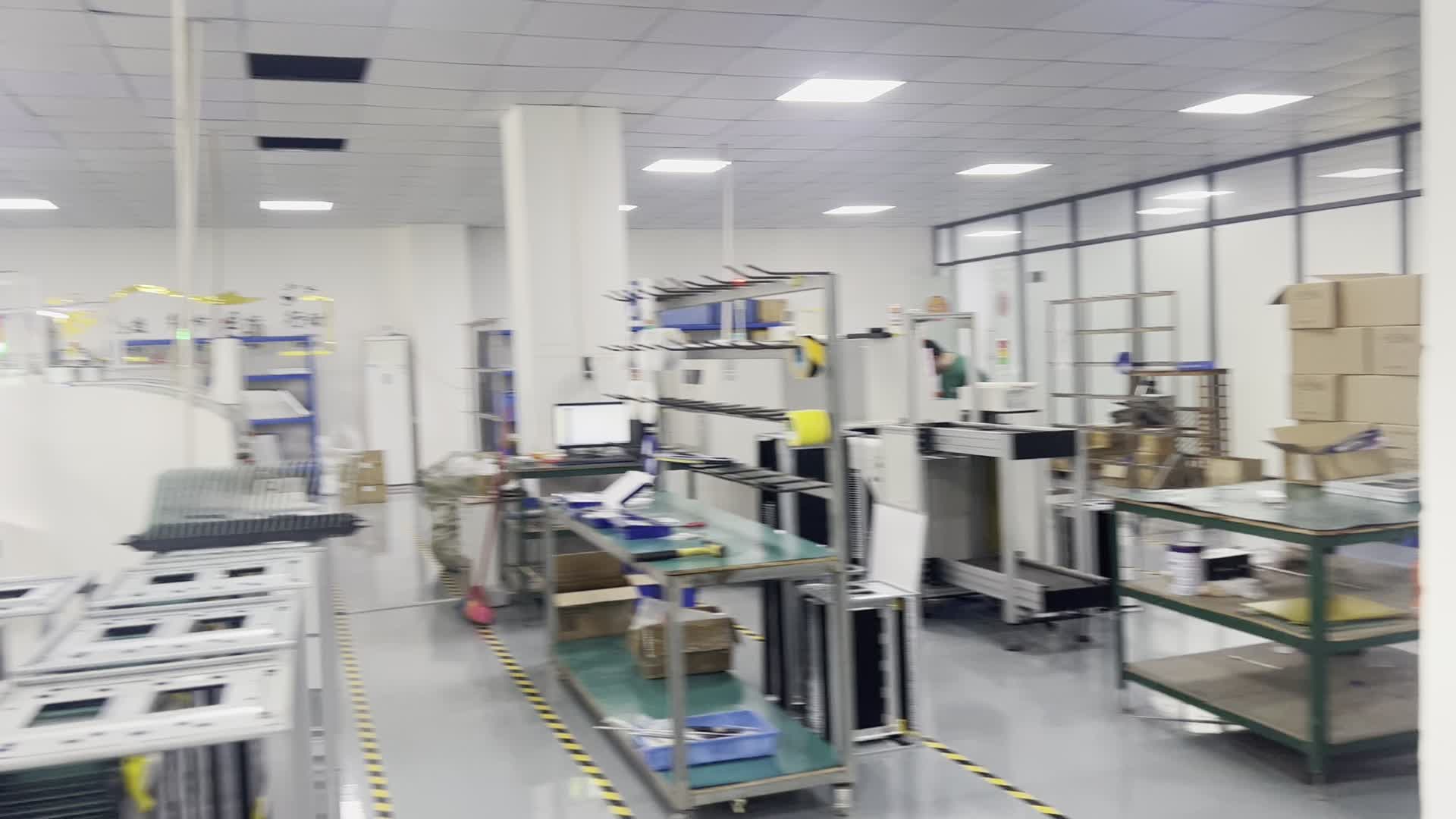
The commercial objective is consistency between the approved product, production handling and the delivered order. Product-specific limits, certificates and acceptance standards are confirmed against the actual sourcing requirement.
Share the product family, target market, estimated quantity and any testing, certification, branding or packaging requirement. The QC discussion can then stay tied to a real sourcing brief.